


Select your language

In focus
Trauma care and mass casualty management
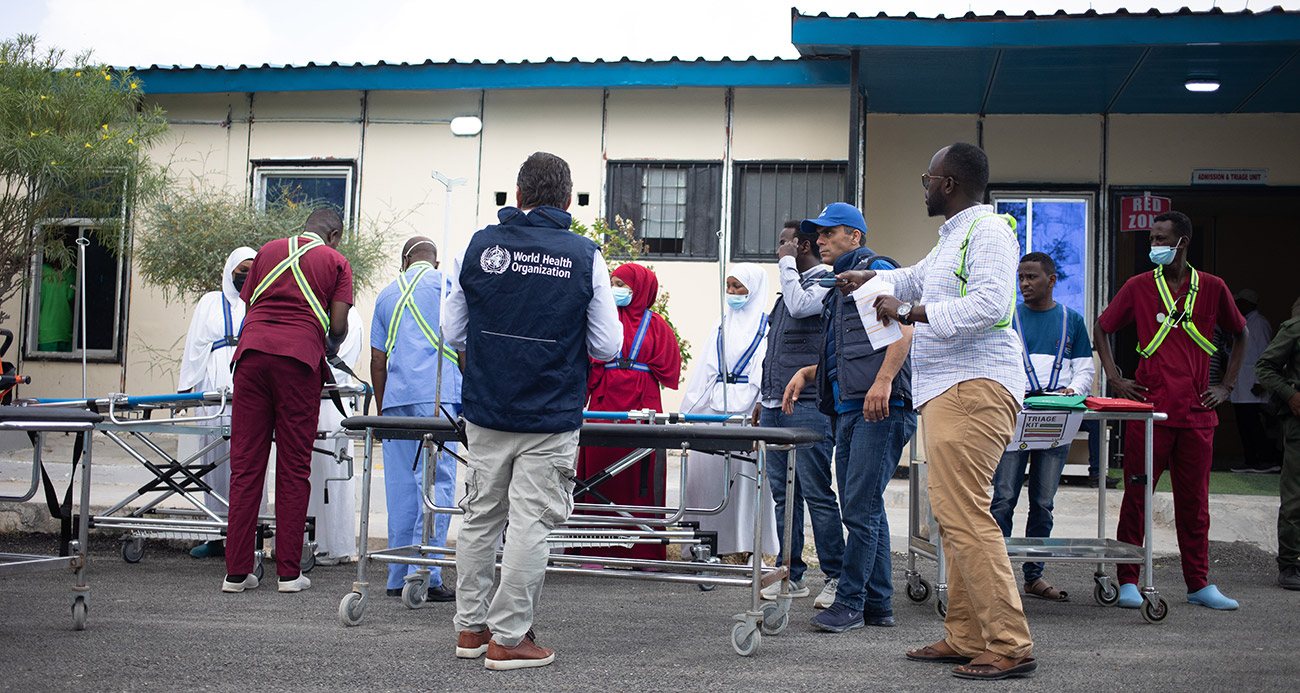 Trauma-related fatalities are on the rise in the WHO Eastern Mediterranean Region, as its countries and territories suffer ongoing conflict, escalation of violence, and natural disasters.
Injury death rates are nearly 3 times higher in low- and middle-income countries of the Region than in its high-income countries. Traumatic injuries are most common in fragile and conflict-affected settings. But the populations most in need of trauma care services are typically those least able to access them.
Between 60% and 80% of all trauma-related deaths in low- and middle-income countries of the Region occur before reaching the hospital, reveals a recent WHO analysis. About one quarter of these fatalities may be avoidable with basic control of haemorrhage at the time of injury.
In low-resource settings, however, prehospital services are rudimentary, and injured patients are often stabilized and even transported to hospital by family, friends or members of the public.
Articles
Saving lives and limbs: WHO scales up its trauma response in Somalia
WHO rolls out capacity-building plan for strengthening trauma care services in Somalia
WHO concludes first phase of mass casualty training in Afghanistan
WHO supports Gaza’s public hospitals to better respond to the recent escalation of hostilities
Newly established WHO Academy credits response of Somali health workers to mass casualty events
Attacks on health care in Eastern Mediterranean Region
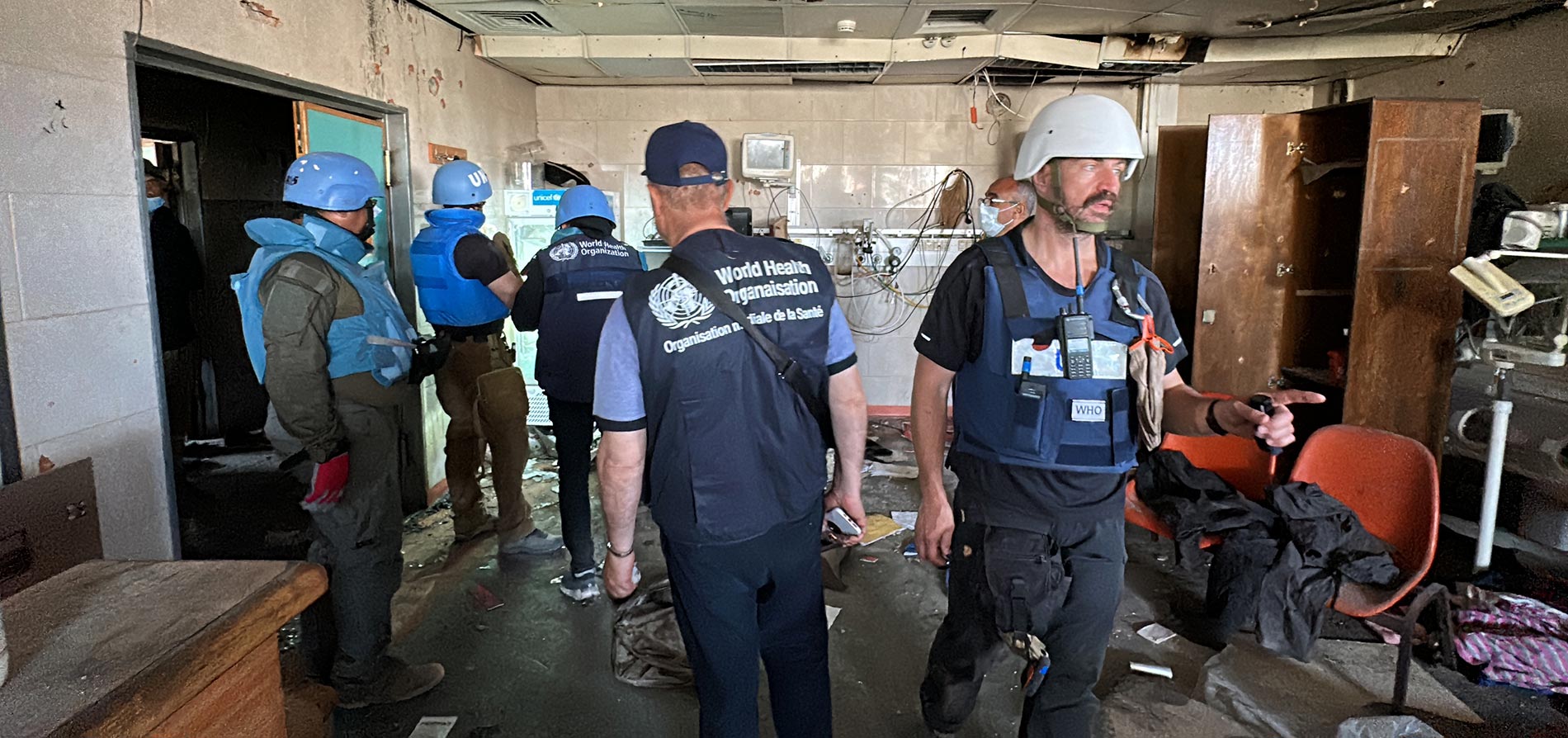 Ongoing and escalating conflict in parts of the WHO Eastern Mediterranean Region continue to place health care at massive risk.
In 2023, attacks on health care in Sudan and the occupied Palestinian territory reached . From March to August 2023, there were 60 attacks on health care in Sudan. In the occupied Palestinian territory, there were 754 attacks on health care from 7 October to 16 February 2023.
Attacks on health care is a term that covers many acts of violence. Health workers are killed, kidnapped and assaulted. Health facilities are destroyed, damaged or taken over for nonmedical purposes. Ambulances are looted, stolen, shot at and denied travel through checkpoints. Health workers, hospitals and patients also come under threat when electricity and water are disrupted, fuel is limited or access to besieged populations is obstructed.
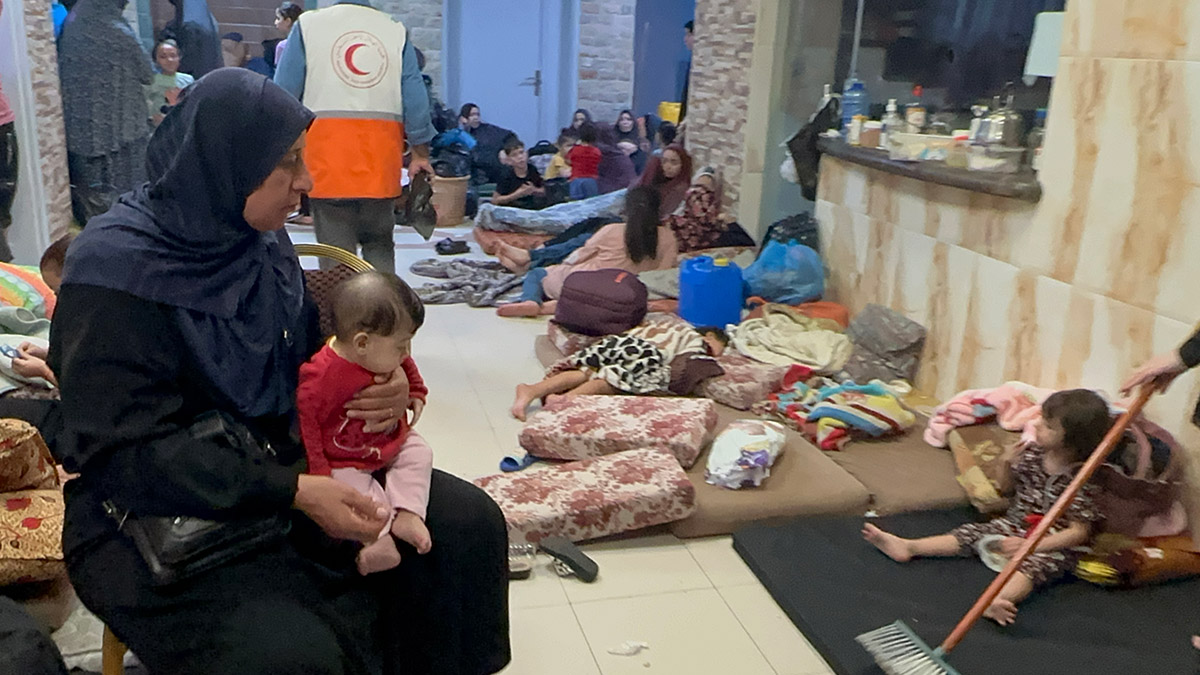 In settings where health systems are already fragile, threats to health providers have devastating costs beyond the loss of lives of health workers and the patients they might have saved. Thousands of people every year will die not because they are direct victims , but because the environment becomes too dangerous for effective health services to be delivered.
Together with partners, WHO has set up a system to collect data on attacks on health workers, health facilities, and patients in complex emergencies. This information is used to identify patterns and find concrete ways to avoid attacks or mitigate disruptions to health service delivery.
WHO continues to call on all parties in conflict to abide by their obligation under international humanitarian law to respect the sanctity of, and actively protect, health facilities.
For the latest data on attacks, visit the WHO Surveillance System for Attacks on Health Care.
Related articles
WHO appalled by latest attack on Indonesian Hospital in Gaza
Attacks on health care in Gaza Strip unacceptable, says WHO
WHO loses communication with contacts in Al-Shifa Hospital in Gaza amid reports of attacks
Increasing attacks on health care & health worker testimony
Related infographics
Climate-driven emergencies
 © WHO / Abdirahman Mohamed
With extreme weather events growing in frequency and intensity, the climate crisis is responsible for more and more health emergencies in the WHO Eastern Mediterranean Region.
Many countries of the Region suffer from fragile health systems even before a climate-driven emergency occurs. This is often because of other, often protracted, humanitarian emergencies.
The many health impacts of climate change include:
direct injury and death
population displacement
spread of waterborne diseases – due to the impact on water and sanitation systems
spread of infectious diseases
rising cases of noncommunicable diseases
reduced food production
reduced health workforce
damage to health infrastructure
severe mental and psychological impacts.
No one anywhere is safe from the climate crisis. But its severe public health impacts most affect the most vulnerable health systems and the most disadvantaged populations.
Related articles
Drought and food insecurity in the greater Horn of Africa
CERF support safeguards lives of 95.9% of children at WHO-Supported stabilization centres in Somalia
WHO nutrition interventions help save the lives of malnourished Sudanese children
New study finds that 43 000 “excess deaths” may have occurred in 2022 from the drought in Somalia
Drought-survivors arrive at internally displaced person camps to "live another day"
Japan supports WHO to expand access to health for all in drought-affected communities in Somalia
Report
