


Select your language

Occupied Palestinian territory health crisis 2023
occupied Palestinian territory health crisis 2023
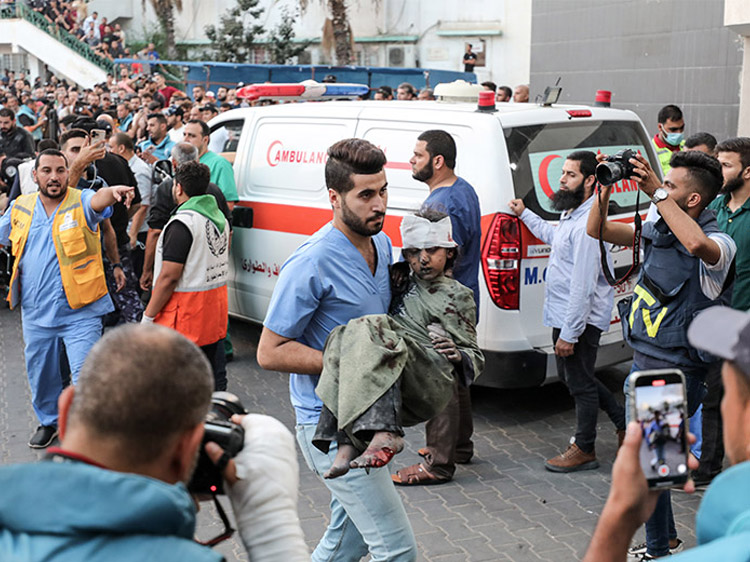
Since 7 October 2023, the escalating crisis in Israel and the occupied Palestinian territory has caused large numbers of civilian deaths and injuries.
In the Gaza Strip, airstrikes and a lack of medical supplies, food, water and fuel have virtually depleted an already under-resourced health system. Hospitals have been operating far beyond capacity due to rising numbers of patients as well as displaced civilians seeking shelter. The provision of essential health services – from maternal and newborn care to treatment for chronic conditions – has been severely compromised.
With Al Takamol refugee camp destroyed by fire in Sudan, WHO extends health support and assesses further needs
With Al Takamol refugee camp destroyed by fire in Sudan, WHO extends health support and assesses further needs
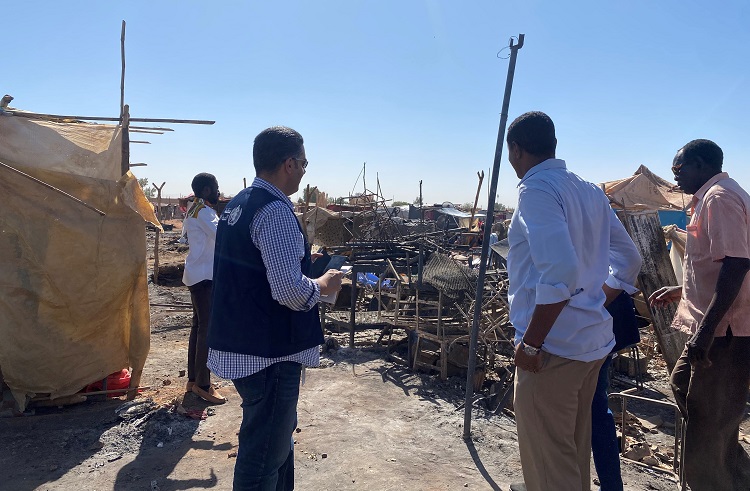
7 February 2023 – Over 450 refugee families in Sudan faced a harrowing evening on 17 January, 2023, when their Al Takamol camp was engulfed by fire, leading to one death, several injuries with burns and fractures, and the destruction of their belongings, among other vital damage. Almost half of the 2000 individuals residing in the camp are children, while 32% are older people. A joint team was swiftly dispatched by the Khartoum State Ministry of Health and WHO Sudan – the first UN responder to support health services in the incident – for a rapid situation analysis and the extension of needed assistance.
WHO supports response to the tribal conflict in Sudan’s South Darfur State
WHO supports response to the tribal conflict in Sudan’s South Darfur State

31 January 2022 – Inter-communal clashes in late December 2022 in Sudan’s South Darfur State spread to 16 villages and resulted in 11 people killed and 18 wounded, according to information from the State Ministry of Health. As a result of ongoing conflict, health facilities in the area are reporting severe shortages of trauma supplies, medicines and anaesthetic drugs.
Thanks to technical support from WHO, preparedness measures by the State Ministry of Health ensured that a WHO-Ministry joint assessment team was able to quickly coordinate with all health partners on the ground to develop an immediate intervention plan.
WHO had already pre-positioned trauma and interagency emergency health kits for South Darfur State; additional supplies enough for 200–500 surgical interventions were also dispatched to the state’s Nyala Hospital in response to the influx of injured victims.
