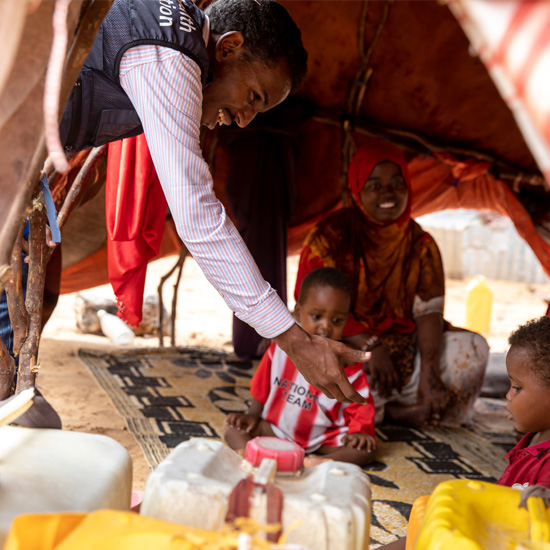
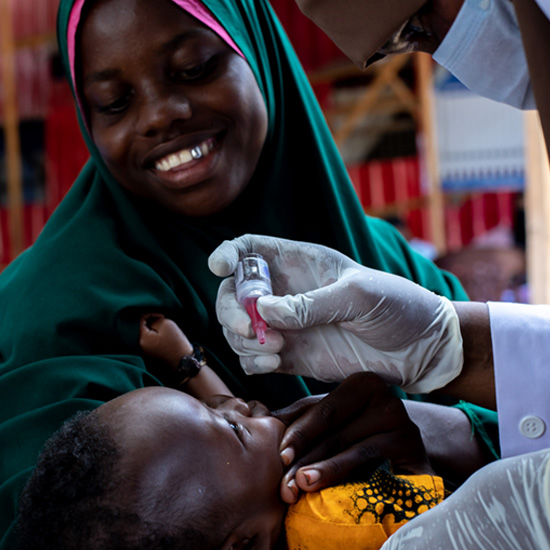
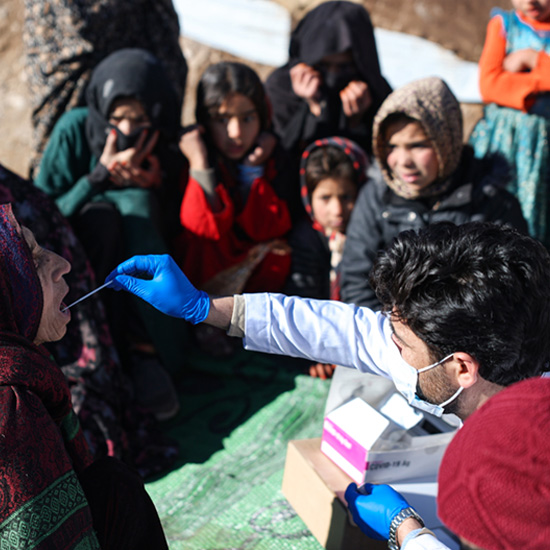
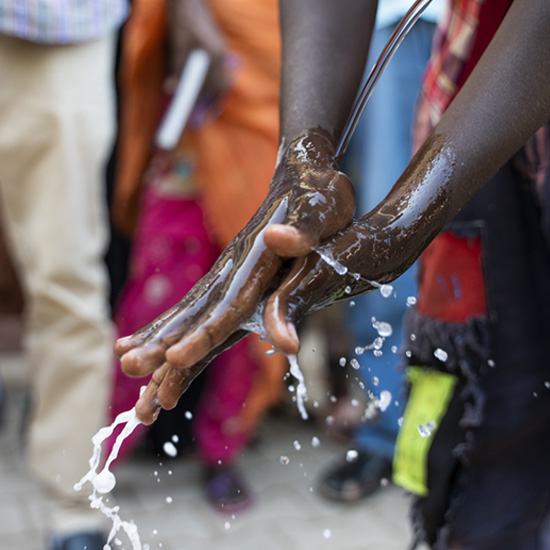
Migration and displacement, whether by choice or force, are on the rise, driven by conflict, climate change, trade, and socio-economic challenges. In North Africa, countries such as Egypt, Sudan, Libya, and Tunisia, share porous borders and experience frequent mobility, including of refugees, migrants, and cross-border workers. While migrants do not pose a public health threat, conditions such as overcrowding, poor shelter, and limited sanitation can increase vulnerability to communicable diseases and delay care.
In line with the International Health Regulations (2005), a cross-border tabletop simulation exercise (SIMEX) from 18–20 August will test and strengthen detection, information sharing, and joint outbreak response mechanisms. Building on earlier workshops in Tunis, which produced a joint workplan for Algeria, Libya, and Tunisia, the SIMEX will expand cooperation to Egypt and Sudan, focusing on enhancing communication, interoperability, and coordination to protect the health of both mobile populations and host communities.
million refugees and asylum seekers globally in 2024.
million refugees and asylum seekers are from the Eastern Mediterranean Region - nearly 50% of all asylum seekers and refugees worldwide.
million, roughly 33% of all refugees and asylum seekers, remain in the Eastern Mediterranean Region, making it the region hosting the highest number of refugees.
graded emergencies, with more than 110 million people in need in the Region, as of mid-2025.
The SIMEX is supported by the Directorate-General for Italian Citizens Abroad and Migration Policies (DGIT), in partnership with the International Organization for Migration (IOM). Our collaborating partners include Africa CDC and the Joint Emergency Action Plan (JEAP).
"Knock on my Door" - Health for All Film Fest
Watch on YouTube