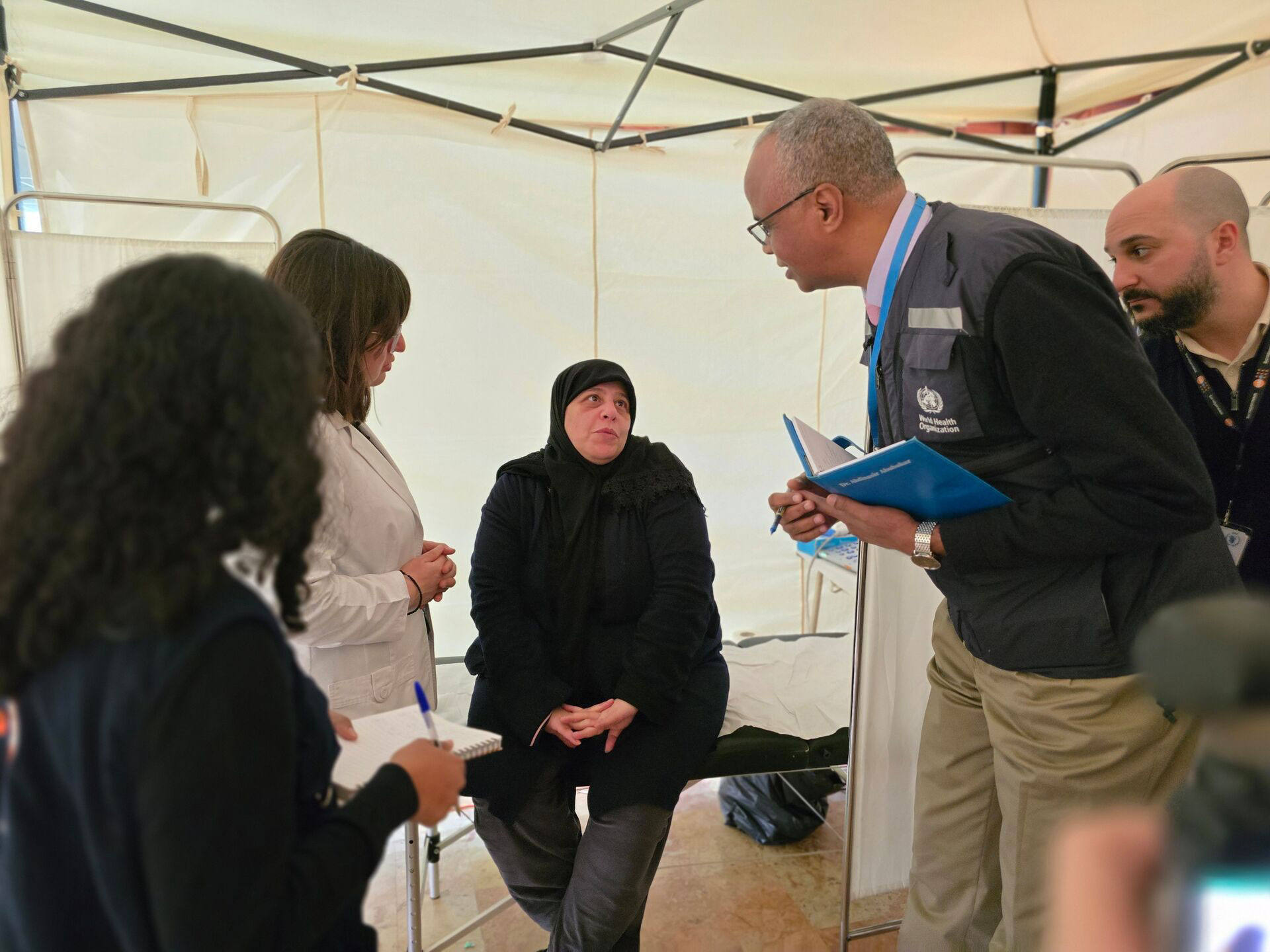
 WHO team visit the Dekwaneh shelter in Beirut, hosting internally displaced people30 April 2026, Cairo, Egypt – In Lebanon’s evolving emergency, the most immediate threats to life are not always visible. For thousands of displaced people living with noncommunicable diseases (NCDs), the sudden loss of electricity, separation from medical records and the stress of displacement can turn manageable conditions into acute emergencies. Recognizing this, the latest risk communication, community engagement and infodemic management (RCCE-IM) intervention focuses on bridging the gap between chronic care and emergency response.
1. Defining red flags: from chronic to acute
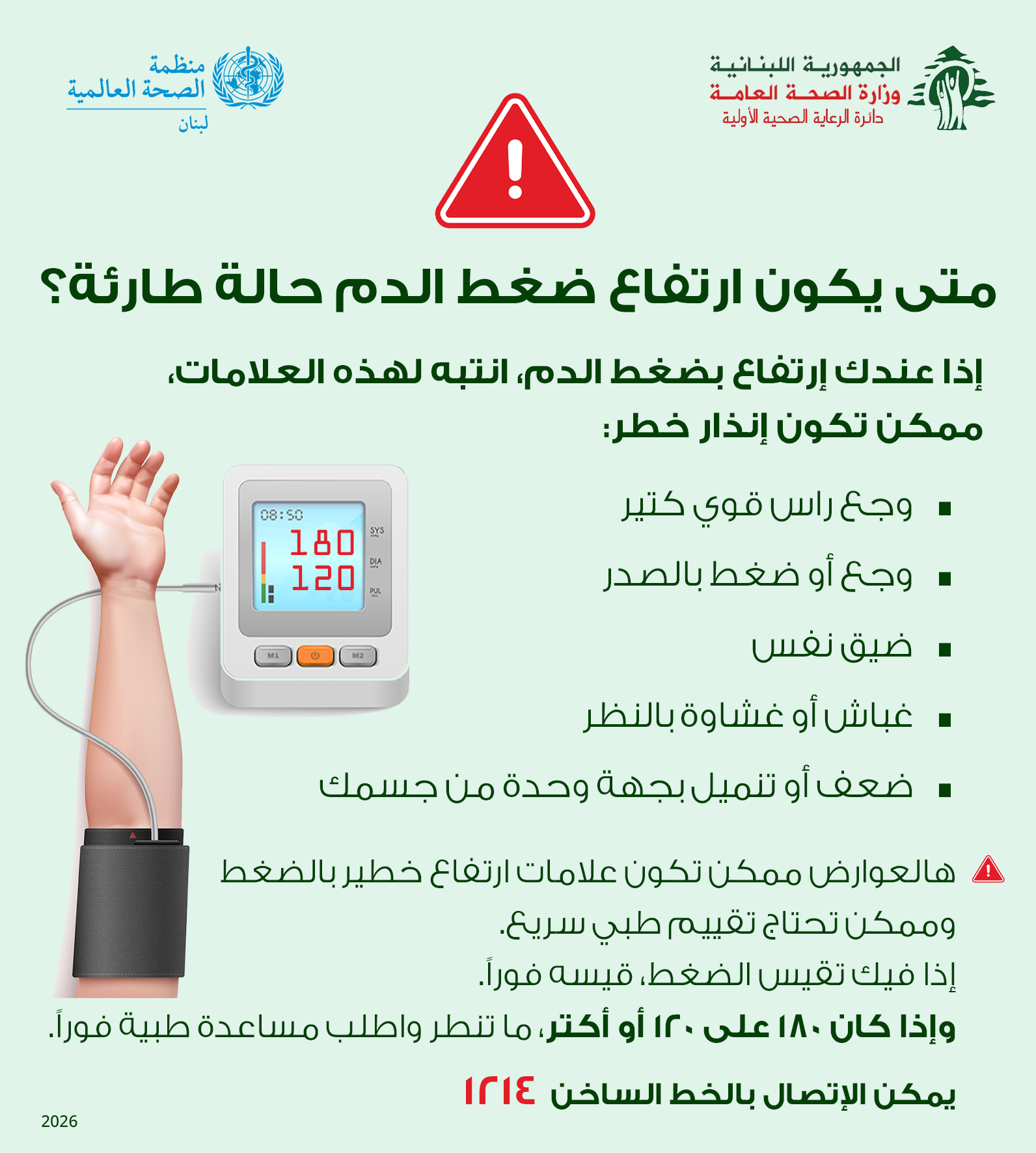
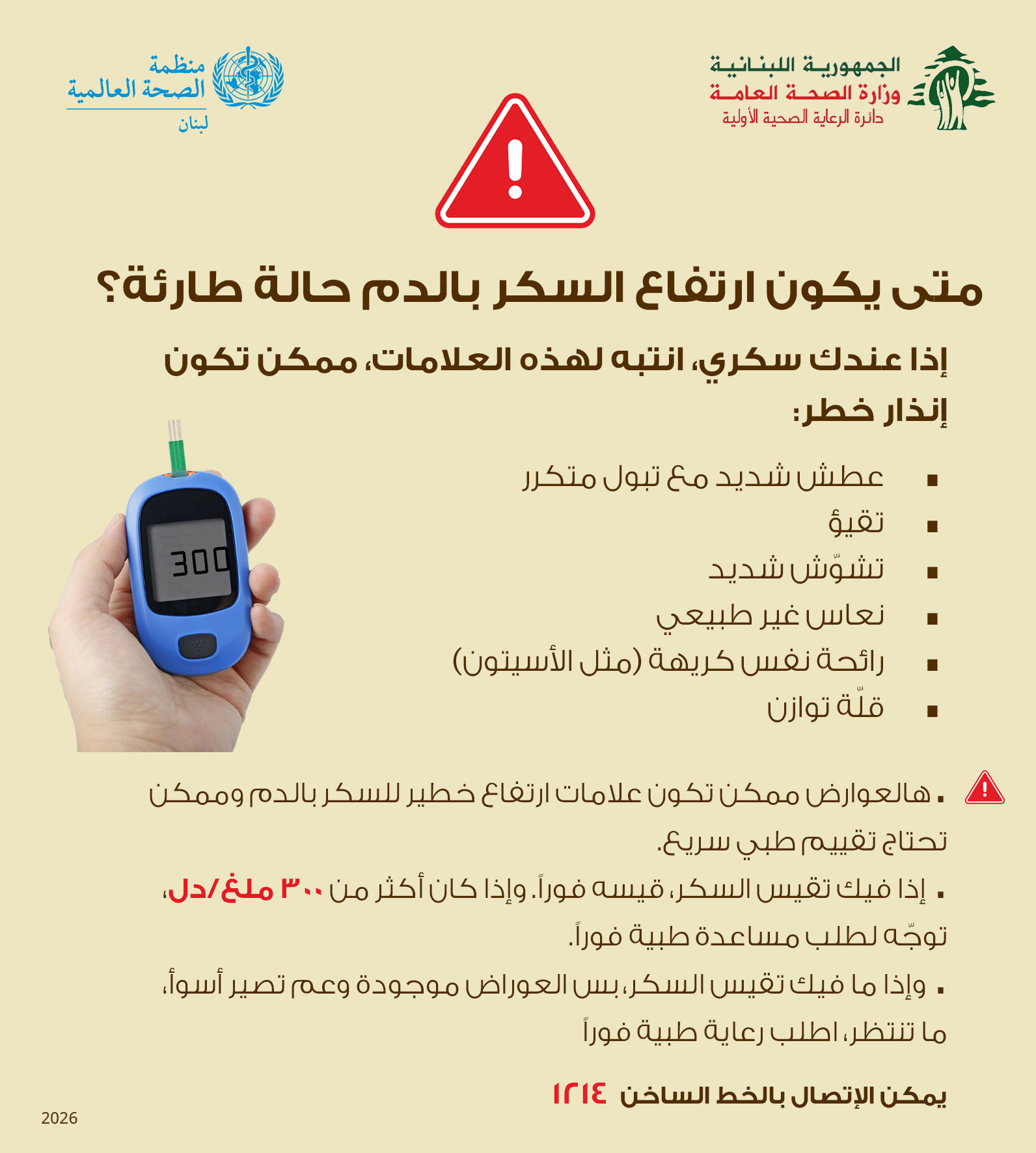
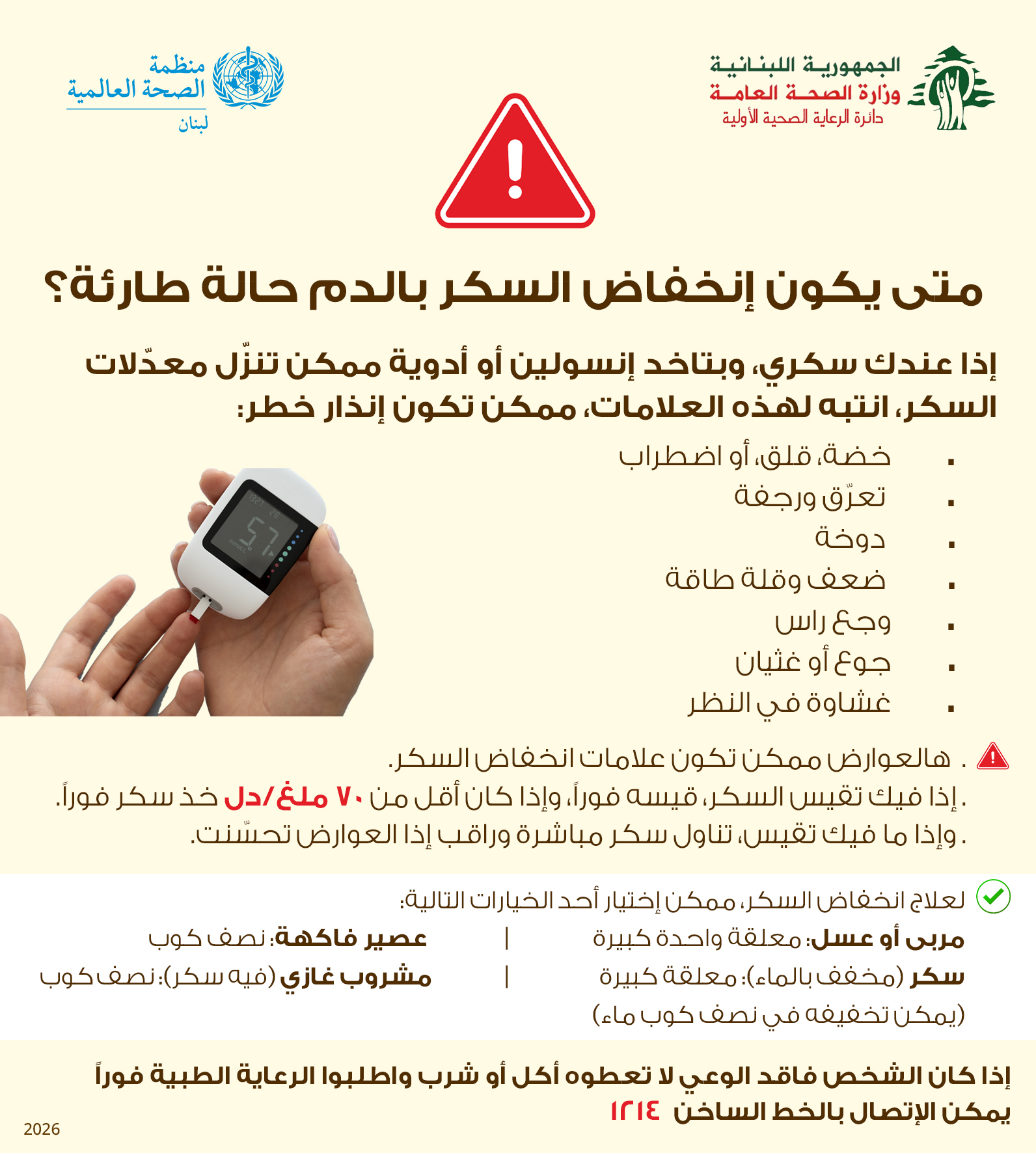
To help patients and frontline workers distinguish between daily symptoms and life-threatening crises, the WHO Lebanon RCCE team, in coordination with the Ministry of Public Health, has developed a red flag system for NCDs. By providing clear visual thresholds, the guidance helps individuals to know exactly when to seek immediate medical help. The red flags cover:
- hypertension, identifying critical triggers such as chest pressure or blurred vision, with a clear directive to seek urgent care if blood pressure reaches 180/120 or higher;
- diabetes, setting emergency markers for hyperglycaemia (sugar levels above 300 mg/dL accompanied by confusion or "fruity" breath) and hypoglycaemia (levels below 70 mg/dL requiring immediate sugar intake); and
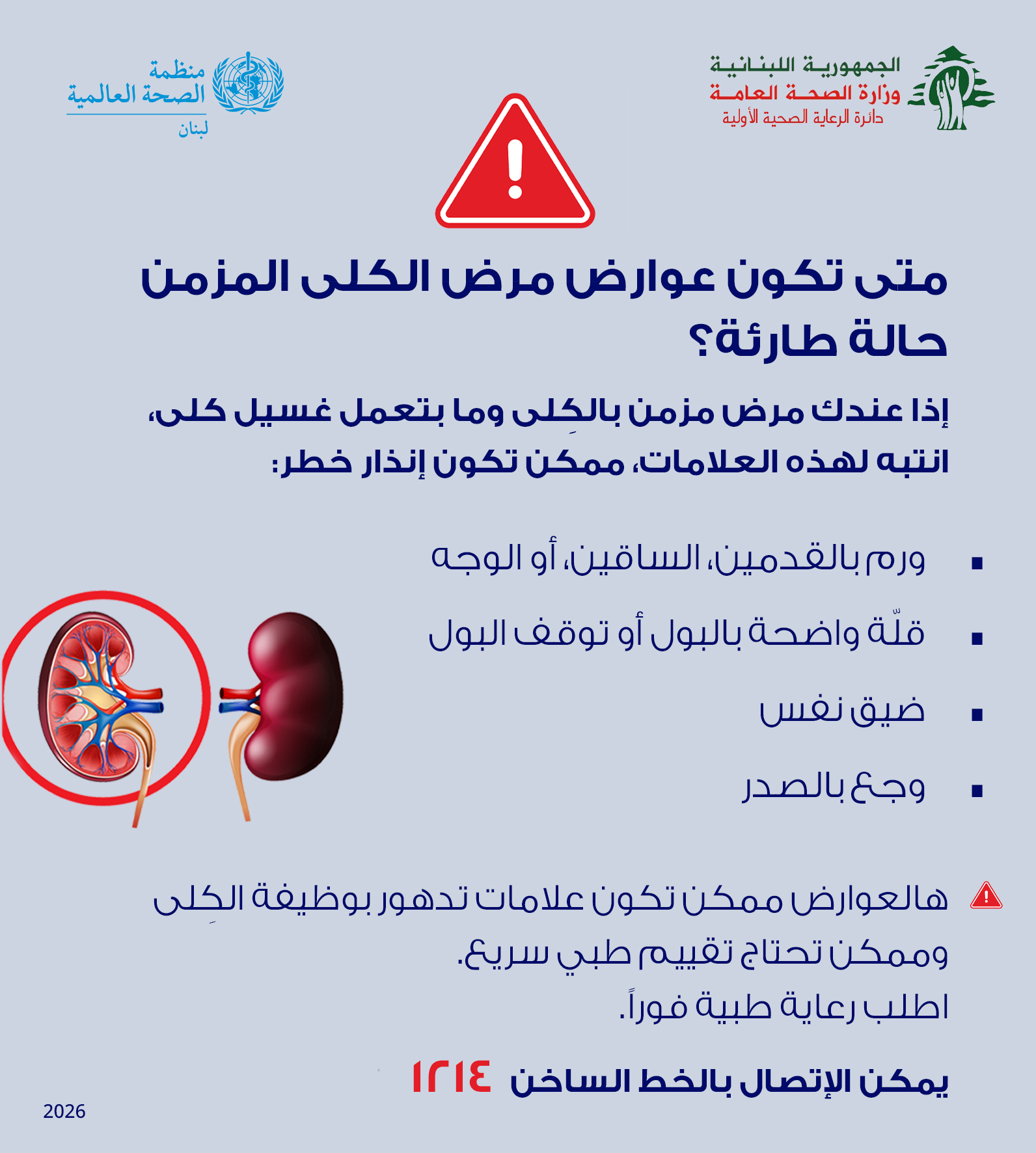
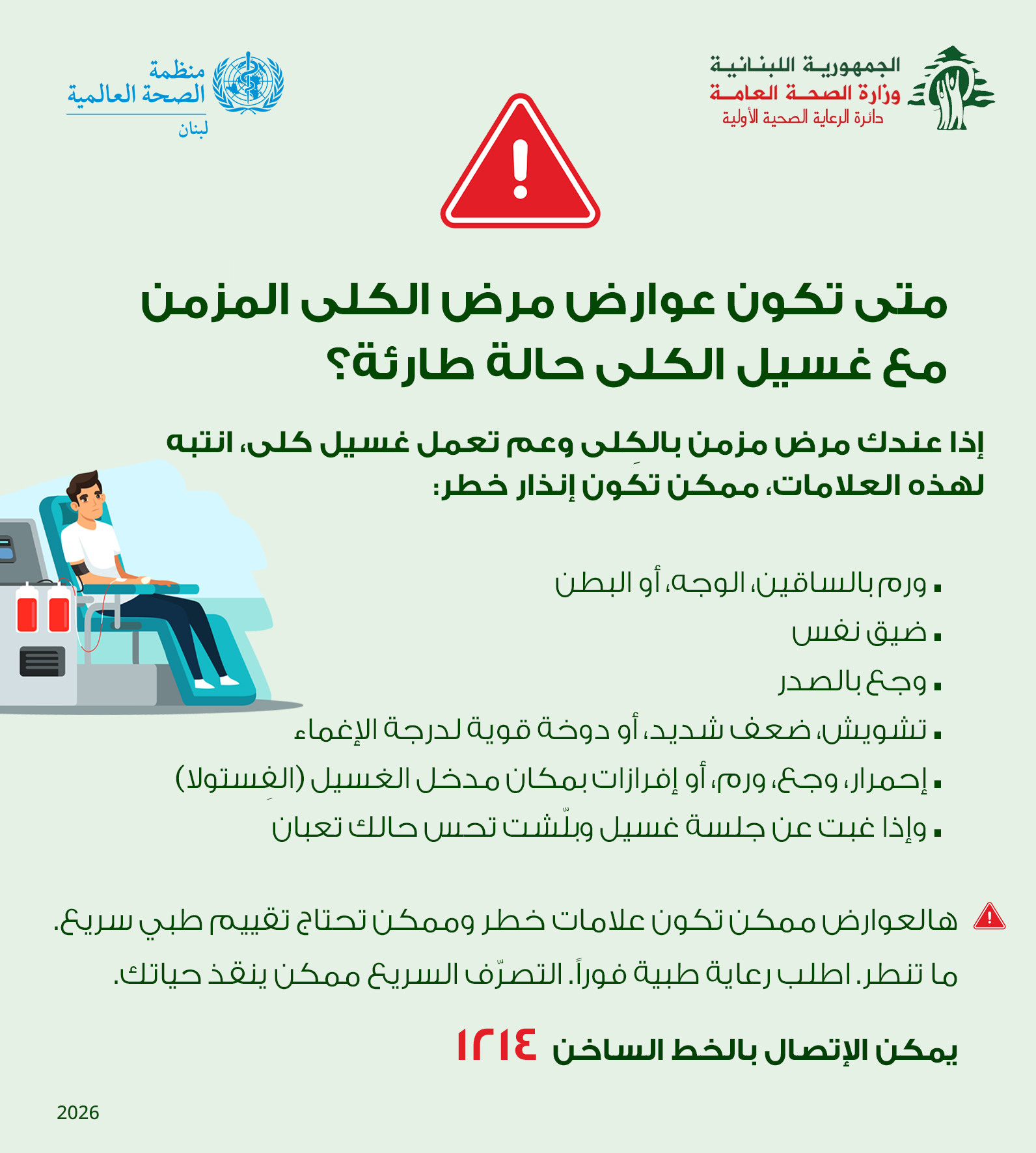
- kidney care, providing specific monitoring for chronic kidney disease patients, including red flags for facial/leg swelling and missed dialysis sessions which can lead to rapid deterioration.
2. Resourceful resilience
The collapse of local infrastructure, particularly the lack of electricity, poses a direct threat to those dependent on insulin. The RCCE-IM response moved beyond theoretical advice to provide survival-level information on medication storage and preparedness.
- Insulin storage: practical instructions were disseminated on maintaining insulin efficacy without refrigeration, emphasizing that while a fridge is best, insulin can be stored in a cool place but must never be frozen or exposed to temperatures above 30 °C.
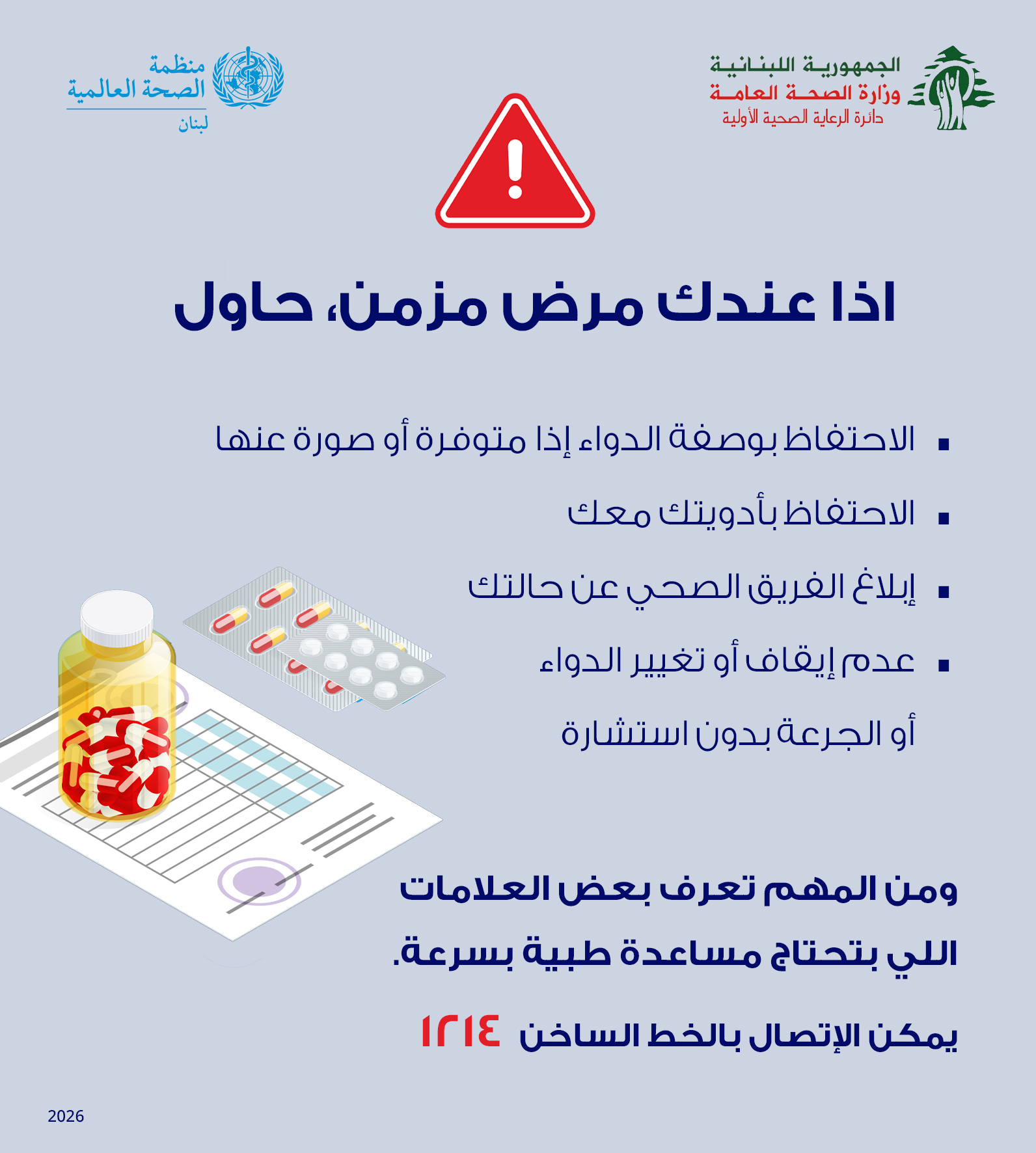
- The emergency bag: to ensure continuity during sudden evacuations, communities were guided on assembling an NCD emergency kit containing a 1-month supply of medication, copies of prescriptions and essential monitoring tools like glucose meters and spare batteries.
3. Mental safety net for the displaced
The physical management of disease cannot be separated from the mental weight of trauma. In collaboration with the Lebanese National Mental Health Programme, the RCCE strategy integrates a comprehensive mental health package designed for different audiences. Rather than providing general advice, it addresses the specific, complex emotional realities of the conflict.
- Targeted support: resources provide actionable steps for coping with grief, managing panic attacks and recognizing derealization, helping ensure that emotional distress is treated with the same urgency as physical injury.
- Family-centred resilience: specific guidance was shared for pregnant women, new mothers and parents to help comfort children after traumatic events, turning caregivers into the first line of psychological defence.
The impact: dignity through preparedness
By integrating NCD management with mental health support, the response helps ensure that displaced populations are not passive victims of their environment but active managers of their own health. Through the Lebanese 1214 hotline and localized toolkits, the approach provides a sense of agency and dignity, ensuring that even when the power goes out and the frontlines shift, the connective tissue of health guidance remains unbroken.
Information, education and communication material