


21 December 2025, Baghdad, Iraq – A national workshop convened in Baghdad from 23 to 27 November 2025 signaled a shift in Iraq’s approach to health security.
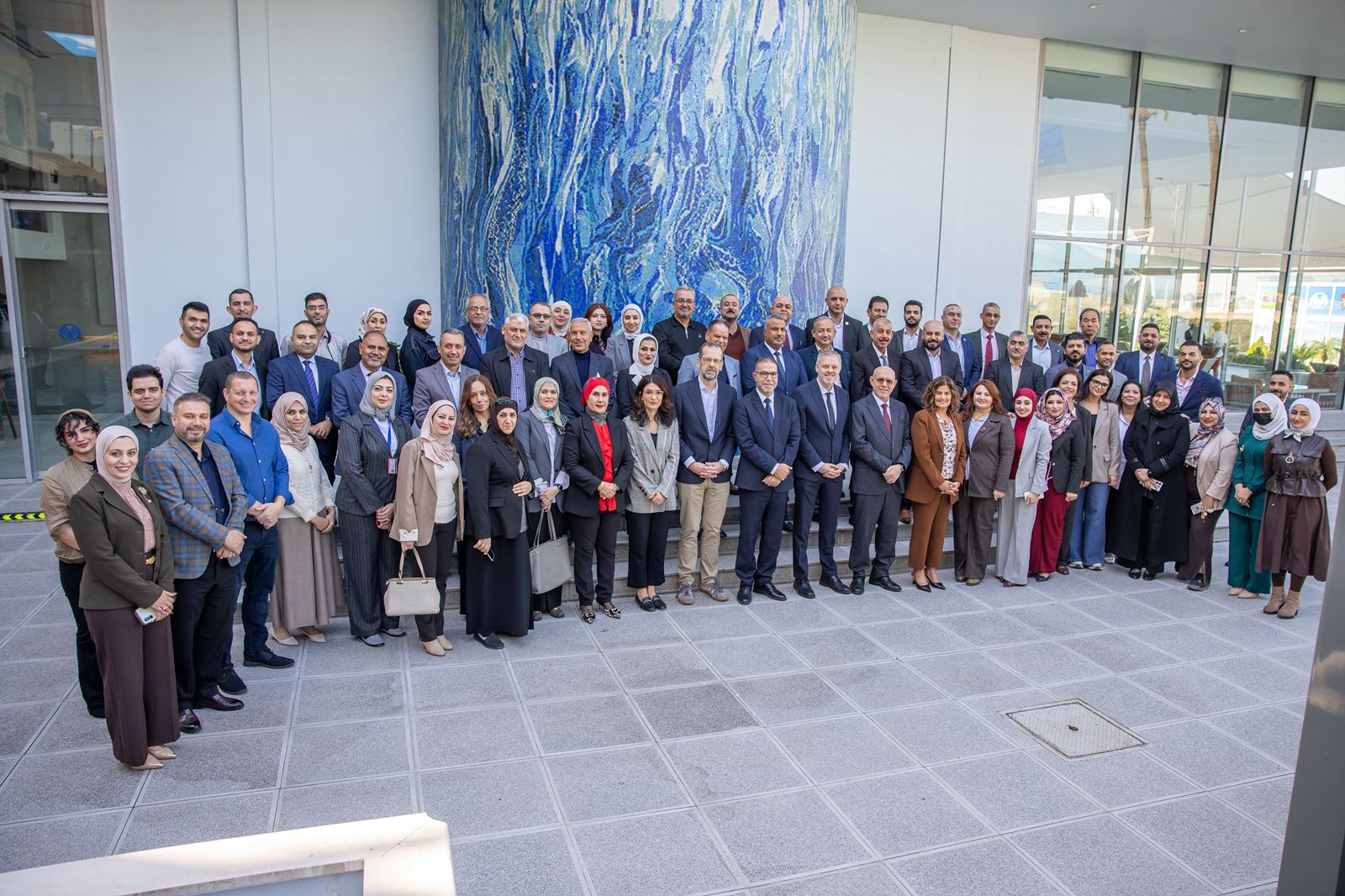
The 5-day workshop brought together more than 60 participants from the Iraqi Ministry of Health, the World Health Organization (WHO), the Robert Koch Institute and national and subnational health authorities and partners, including local community leaders, frontline health workers and dedicated volunteers.
As part of efforts to develop Iraq’s first community protection strategy for health emergencies, the workshop aimed to leverage the central role of primary health care in protecting populations and help ensure that Iraq’s national preparedness and response strategies are not only technically robust, but deeply rooted in local communities
Health emergencies begin and end in communities
Aligned with World Health Assembly resolution A78/9 (2025), which aims to build resilient health systems capable of preventing and responding to public health threats through a whole-of-society approach, the workshop’s multisectoral cohort worked on operationalizing the community-centred policies, programmes and practices that lie at the heart of global health emergency prevention, preparedness, response and resilience frameworks.
Iraq faces unique public health challenges, including managing the Arba’een pilgrimage, one of the world’s largest annual mass gatherings. Such events can strain local health infrastructure and accelerate the spread of infectious diseases, including respiratory and water-borne illnesses. Recognizing that community-led actions can shape the trajectory of any emergency, the workshop focused on ensuring that national and local authorities work with civil society and community-based organizations to enhance public health security.
Community protection in action: from pandemic readiness to mass gatherings
Influenza pandemics are unpredictable but recurring events with potentially severe societal impacts. Mass gatherings like the Arba’een pilgrimage attract millions of participants, posing significant public health risks that can strain local health infrastructure.
A whole-of-society approach to preparedness recognizes that the burden of such events cannot be carried by the health sector alone, and that effective response requires civil society, families and traditional leaders to be empowered to detect and mitigate risks through inclusive planning.
Operationalizing community protection is vital to ensure that technical areas such as surveillance, infection prevention and control and case management are not just top-down instructions but integrated into the community's own decision-making and implementation processes.
Community protection is multifaceted. A key outcome of the workshop was the emergence of a shared understanding that effective protection requires integrating community-led action across multiple technical areas, including:
• surveillance – empowering communities to detect risks early at the local level;
• infection prevention and control – implementing community-based measures to mitigate spread;
• case management – ensuring clinical pathways are accessible and integrated with primary health care systems;
• risk communication and community engagement – fostering trusted, two-way dialogue; and
• multisectoral coordination – involving civil society, families and traditional leaders in decision-making.
Supported by the Community Protection and Resilience Unit at WHO headquarters, the Health Security and Preparedness Unit at the WHO Regional Office for the Eastern Mediterranean and the Robert Koch Institute, the workshop used a tabletop simulation exercise to allow stakeholders to test operational readiness against a hypothetical influenza pandemic occurring during the Arba’een pilgrimage.
The workshop was designed to:
• build understanding of community protection principles and the capabilities needed to empower the community health workforce;
• review existing strategies to ensure they incorporate social, cultural and behavioural data for evidence-based action;
• analyse coordination mechanisms to strengthen partnerships between communities and public health systems;
• identify gaps and priorities for mainstreaming community protection into national health governance and capacity-building programmes; and
• define a strategic framework to achieve objectives and establish core principles and embed them into specific planning for pandemic influenza and mass gatherings.
The workshop constituted an important step in defining a comprehensive national community protection strategy capable of promoting coordinated action and optimizing resources across health security, health promotion and primary health care, tailored to priority risks like pandemic influenza and mass gatherings.
It provided a blueprint for the Government of Iraq to endorse and operationalize through targeted action plans that leverage social, cultural and behavioural data for evidence-based emergency response. The collaborative spirit of the event was underscored by the participation of diverse stakeholders, including the Iraqi Red Crescent Society, civil society organizations and NGOs. They were joined by international partners such as the Robert Koch Institute, the United Nations Children’s Fund (UNICEF) and the International Federation of Red Cross and Red Crescent Societies, underlining the centrality of inclusive planning and the integration of local voices in building genuine national resilience.
By reinforcing the role of primary health care and facilitating multisectoral dialogue, the workshop helped lay the groundwork for a more resilient health system, helping to ensure that communities remain at the heart of efforts to prevent, detect and respond to future public health threats and safeguarding the well-being of the Iraqi population and the millions of pilgrims who visit the country annually.
