


Select your language

About the programme
Blindness
During the past 12 years, progress has been made in advocacy, disease control and, to some extent, human resources development, to reduce avoidable blindness in the Region.
The global initiative to eliminate avoidable blindness by 2020 "VISION 2020: The Right to Sight" has passed the halfway point in reaching its target. However, elimination of avoidable blindness remains a challenge, with high prevalence of eye diseases. Eye care is not integrated at all levels of health care, especially in primary health care.
As the population is ageing, the number of blind people will increase unless active steps are taken. The control and prevention of blindness programme provides technical support in the development of Member States' national plans for comprehensive eye care and capacity-building in comprehensive eye health and blindness prevention in low-income countries or those in situations of complex emergency.
In order to expand partnerships with all interested organizations working in the prevention of blindness, the Regional Office is working with the International Agency for the Prevention of Blindness in the Eastern Mediterranean, IMPACT-EMR, the Kuwait Patients Helping Fund Society, the IHH Foundation for Human Rights, Freedom and Humanitarian Relief and the Federation of Islamic Medical Associations to support eye care and the prevention of blindness programme in priority countries.
Deafness
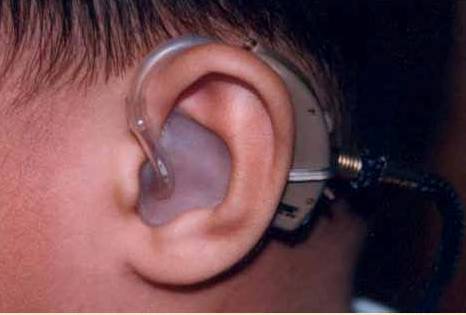 In the Eastern Mediterranean Region it is estimated that about 38 million people have bilateral hearing lossWHO estimates that at least 642 million people in the world are affected by some degree of hearing loss, of whom approximately 278 million are affected by moderate bilateral hearing loss or worse. In the Eastern Mediterranean Region it is estimated that about 38 million people have bilateral hearing loss. Two-thirds of these people live in developing countries and most would benefit from hearing aids. Providing diagnostic procedures with appropriate professional education and affordable hearing aid services worldwide is the most effective and cost-effective way of reducing the burden of hearing impairment.
Early identification through screening and integration of primary ear care will enhance the prevention of hearing loss in primary health care settings. WHO Regional Office provides technical support to Member States in reducing avoidable hearing impairment and disability through appropriate preventive and rehabilitative measures.
