


Select your language

WHO Regional Director attends age-friendly cities forum in Sharjah
 On behalf of H.H. Sheikh Dr Sultan bin Muhammad Al Qasimi, Supreme Council Member and Ruler of Sharjah, Sheikh Mohamed bin Saud Al Qasimi, member of the Sharjah Executive Council and Head of Central Finance presents an honorary shield to Dr Mahmoud Fikri, WHO Regional Director during the opening session of the forum 25 September, 2017, Sharjah – Dr Mahmoud Fikri, WHO Regional Director for the Eastern Mediterranean, visited the United Arab Emirates to attend the Sixth Elderly Services Forum on its opening day. The forum is taking place from 24 to 25 September 2017 at Al Qasimia University in Sharjah, organized by the Department of Social Services in the Government of Sharjah, United Arab Emirates, in collaboration with the World Health Organization (WHO).
The Forum is being held this year under the slogan “Age-Friendly Cities”, and a number of countries in the age-friendly cities network, founded by WHO, are participating. These cities have started to apply the standards expected for age-friendly cities that include 8 important foundations:
- outdoor areas and buildings
- transportation
- housing
- community participation
- social inclusion
- social participation and recruitment
- communications and community support
- medical services.
 An age-friendly city or community is a place where people want to grow older, and which fosters healthy and active ageing.
Rapid population ageing and expansion of urban areas are two demographic challenges that the world is currently facing. “WHO’s estimates show that 3 of every 5 persons are expected to live in urban areas by 2030. While the number of cities is increasing all over the world, their habitants are ageing. By 2015, the number of people who are over 60 will be doubled, with an increase from 11% to 22% of the world's population. The ageing population phenomena will be more challenging in rural areas, due to the movement of young people from these areas to cities," Dr Fikri said in his speech during the opening of the forum.
In order to encourage cities to implement initiatives to face these challenges, it is necessary to draw plans and develop policies that contribute to the provision of services, infrastructure and initiatives that can make cities suitable for all age groups, including older people, to live in.
"On this occasion, I would like to congratulate the Sharjah Emirate for having been the first Arab city to join the International Age-Friendly Cities network in September 2016. Services provided to elderly people have improved remarkably as a result of this international initiative, and I am happy to say that Sharjah demonstrates an exemplary model to be followed," noted Dr Fikri.
Regional Director inaugurates third Global Patient Safety challenge in Oman
 Patient safety represents the reduction of risks for health care-related harm. It demands a broad range of actions, including safe use of medicines, infection control, equipment safety, safe clinical practice and a safe environment for health and medical care at different levels of the health care system
19 September 2017 – Dr Mahmoud Fikri, WHO Regional Director for the Eastern Mediterranean, concluded yesterday a 2-day visit to Oman during which he inaugurated WHO's Third Global Patient Safety challenge ceremony “Medication without Harm” in the Eastern Mediterranean Region.
The focus of the Global Patient Safety Challenge is on strengthening health systems to reduce medication errors with the goal of reducing the level of severe, avoidable harm related to medications by 50% over the next 5 years. It encourages Member States to strengthen common actions to integrate medication safety in national health policies and practices. During the visit, Dr Fikri met with high-level officials in the Government of Oman and participated in different activities.
Dr Mahmoud Fikri, WHO Regional Director for the Eastern Mediterranean, addressed the audience during the launching ceremony of the Third Global Patient Safety challenge “Medication without Harm” in the Eastern Mediterranean Region. "Patient safety represents the reduction of risks for health care-related harm. It demands a broad range of actions, including safe use of medicines, infection control, equipment safety, safe clinical practice and a safe environment for health and medical care at different levels of the health care system," said Dr Fikri.
H.E. Dr Ahmed Bin Mohammed Obaid Al Saidi, the Minister of Health in Oman, inaugurated the launching ceremony along with H.E. Dr Rawya Bint Saoud Al-Bousaidia, Chair of the Board of Sultan Qabous University and Minister of Higher Education. This high-level presence reflects the interest and care of the government of Oman in investing in health-related areas, and its eagerness to provide highly efficient and quality health services in line with WHO’s strategic directions,” the Regional Director noted.
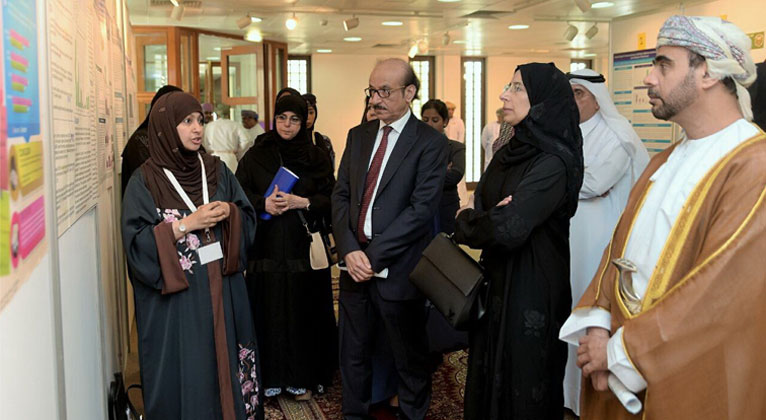
H.E. Dr Ahmed Bin Mohammed Obaid Al Saidi, the Minister of Health in Oman, inaugurated the launching ceremony along with H.E. Dr Rawya Bint Saoud Al-Bousaidia, Chair of the Board of Sultan Qabous University and Minister of Higher EducationDuring an exhibition held on the sidelines of the event, Dr Fikri listened to the experience of Sultan Qaboos University Hospital in promoting safe use, procurement, storage and distribution of medicines, as well as its experience in teaching methods of safe use of medicines.
During the inaugural session of the event, Dr Mahmoud Fikri honoured 4 Omani health facilities participating in the WHO’s initiative for patient-safety hospitals.
Medications are the most common treatment intervention used in health care around the world. When used safely and appropriately, they contribute to significant improvements in the health and well-being of patients. However, despite the best intentions of health care providers and the design of health care systems, unsafe medication practices and medication errors are a leading cause of avoidable harm in health care systems.
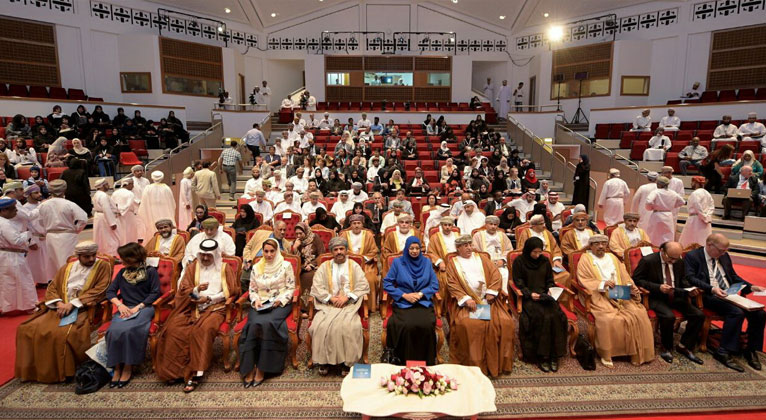 H.E. Dr Ahmed Bin Mohammed Obaid Al Saidi, the Minister of Health in Oman, inaugurated the launching ceremony along with H.E. Dr Rawya Bint Saoud Al-Bousaidia, Chair of the Board of Sultan Qabous University and Minister of Higher Education
Regional Director reiterates his commitment to support health in Djibouti
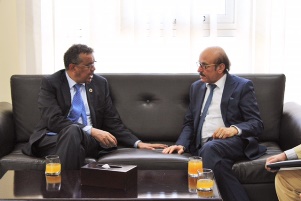 Dr Tedros Adhamon Ghebreyesus, WHO Director-General, and Dr Mahmoud Fikri, WHO Regional Director for the Eastern Mediterranean27 July 2017 - Dr Mahmoud Fikri, WHO Regional Director for the Eastern Mediterranean, met His Excellency Mr Ismail Omar Guelleh, President of Djibouti during a mission to Djibouti by a high-level delegation composed of WHO Director-General Dr Tedros Adhanom Ghebreyesus, WFP Executive Director Mr David Beasley and UNICEF Executive Director Mr Anthony Lake.
During his meeting with the President, Dr Fikri reiterated WHO’s support to strengthen the health system in the country by investing in four key priority areas: strengthening primary health care, expanding immunization for every child, establishing a robust disease surveillance system, and planning and investing in the development of the health workforce.
“I commend Djibouti’s significant progress in favour of health. Under-five and maternal mortality have been reduced by half over the last two decades,” said Dr Fikri. “We reiterate WHO’s support to strengthen the health system and achieve the Sustainable Development Goals,” Fikri concluded.
The delegation also discussed using the framework for cooperation between the country and the United Nations system in Djibouti to accelerate efforts to achieve the Sustainable Development Goals, and Djibouti’s key role in responding to humanitarian crises in the Region.
