

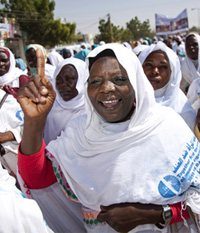
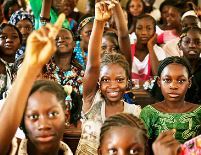
 The gender in health and development programme supports countries in the Eastern Mediterranean Region to achieve gender and health equity. The goal is health for all. Gender-equitable health policies and programmes increase the coverage and effectiveness of health service delivery for all men, women, boys and girls by identifying and addressing their differential needs and constraints in attaining optimal health.
The work of the gender in health and development programme includes strengthening institutional and national capacities, readiness and mechanisms to formulate, implement and monitor gender-equitable health policies, strategies and plans. Increasing information and evidence on achieving gender and health equity is another core function of the programme.
 Increasing access to health care services in Afghanistan with gender-sensitive health service delivery
