

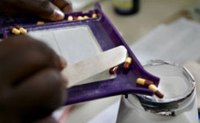
 Careful selection of medicines linked with clinical treatment guidelines can contribute to better health care. Photo credit: WHOUp to 50% of populations in low-income countries do not have reliable access to quality essential medicines. Medicines are either unavailable in public health facilities or unaffordable. Globally, this lack of access kills millions who die from diseases which are preventable and/or treatable, and yet, access to essential medicines is now considered a universal human right.
The objectives of WHO’s essential medicines and pharmaceutical policies programme are to save lives and improve health by ensuring the quality, efficacy, safety and rational use of medicines, including traditional medicines. It promotes equitable and sustainable access to essential medicines particularly for the poor and disadvantaged.

 Measuring transparency to improve good governance in the public pharmaceutical sector in Pakistan