

Top story
Yemen conflict enters 10th year with over 17 million people in need of health aid
Yemen conflict enters 10th year with over 17 million people in need of health aid
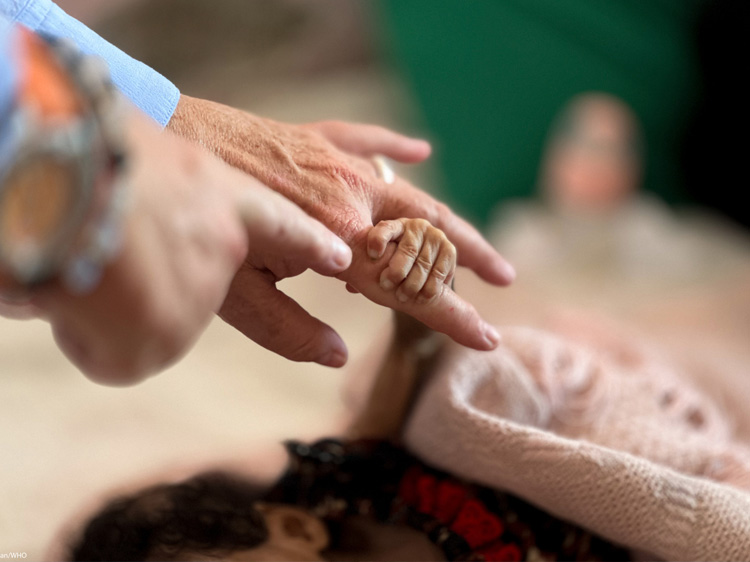
25 March 2024, Cairo, Egypt – The conflict in Yemen enters its 10th year today, with over half of the country’s population in desperate need of aid and an estimated 17.8 million people requiring health assistance, 50% of them children.
“It’s almost as if ongoing conflicts have become an accepted part of the everyday realities of life in the region. It’s important to step back and remember that hungry children, disease outbreaks, hospitals shutting down … these are not to be normalized,” said Dr Hanan Balkhy, WHO Regional Director for the Eastern Mediterranean.
“The conflict has destroyed everything … many health facilities have shut down, epidemics have spread, the diseases that felt like a part of the past have returned, such as polio and cholera,” said Dr Eman Tajeldeen, who works at the Central Laboratory in Aden. “We love Yemen, and we would love to see Yemen back.”
occupied Palestinian territory health crisis 2023
occupied Palestinian territory health crisis 2023
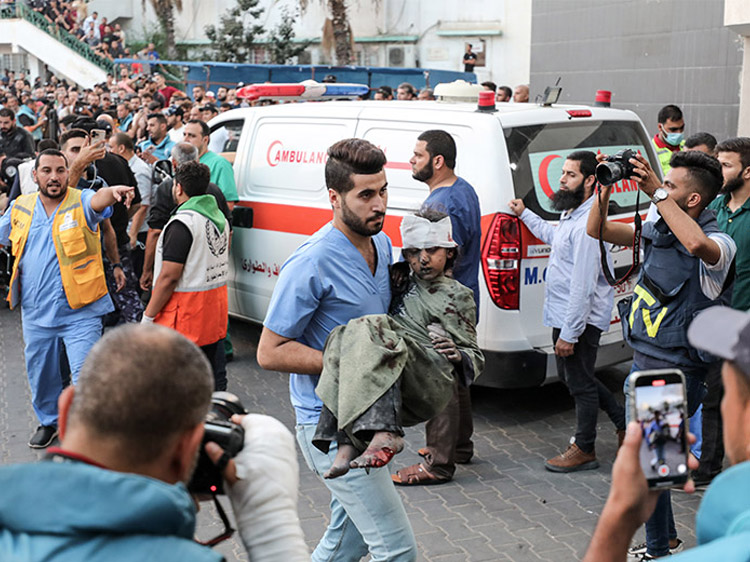
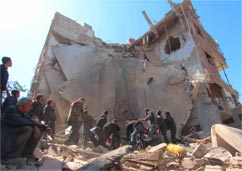
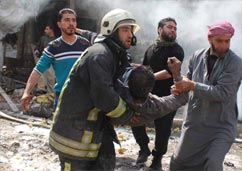
Since 7 October 2023, the escalating crisis in Israel and the occupied Palestinian territory has caused large numbers of civilian deaths and injuries.
In the Gaza Strip, airstrikes and a lack of medical supplies, food, water and fuel have virtually depleted an already under-resourced health system. Hospitals have been operating far beyond capacity due to rising numbers of patients as well as displaced civilians seeking shelter. The provision of essential health services – from maternal and newborn care to treatment for chronic conditions – has been severely compromised.
“We either leave or die” a Sudanese migrant recently arrived in Egypt told WHO
“We either leave or die” a Sudanese migrant recently arrived in Egypt told WHO
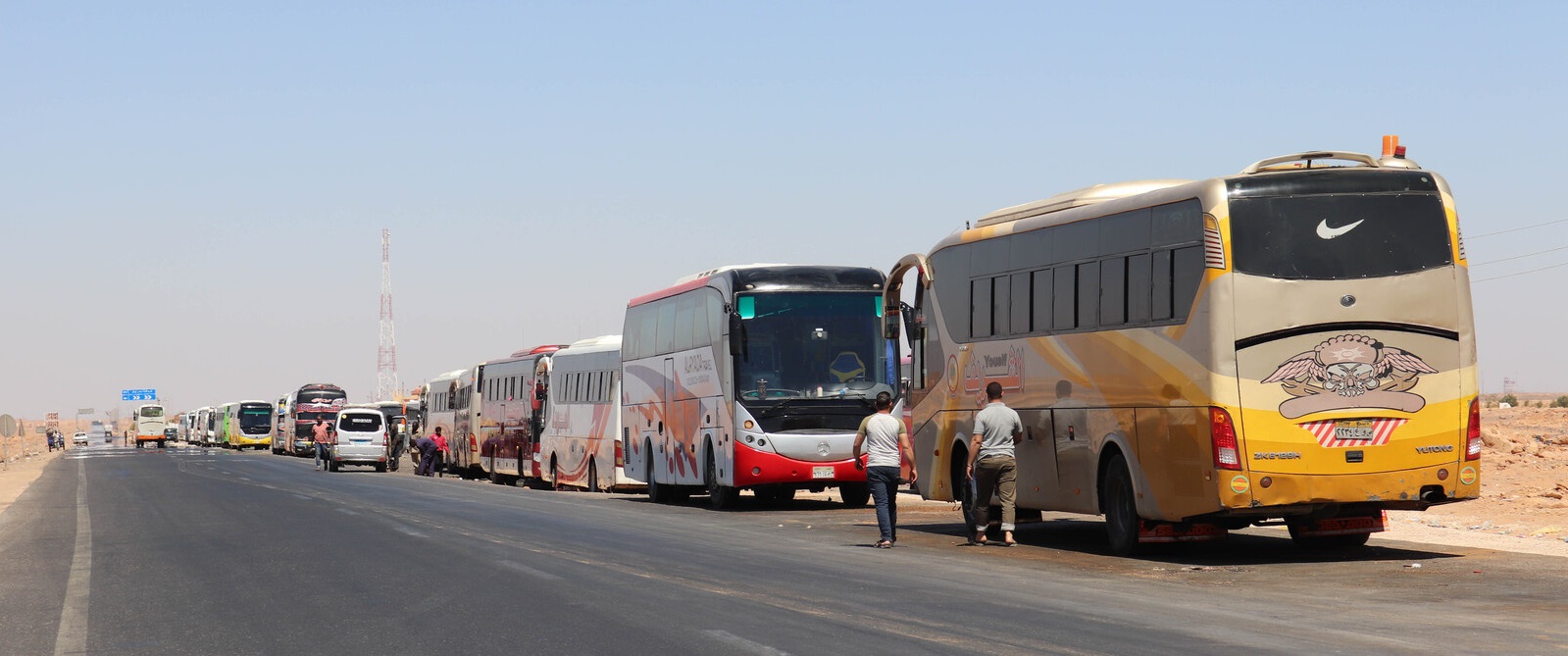
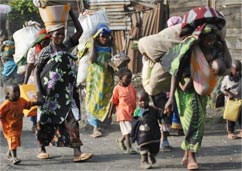
Cairo, 24 May 2023 – Over 248 000 people have crossed the border from Sudan into neighbouring Chad, Egypt, Ethiopia and South Sudan, to flee the insecurity resulting from the fighting in the country and lack of access to health services due to repeated armed attacks on health facilities. Below is a brief conversation between WHO and a Sudanese man who, along with his parents and siblings, spent 17 days on the journey getting from Khartoum to Cairo.
If you had to choose one word to describe the situation in Khartoum, what would it be?
Nightmare.
Is everyone you know unharmed?
Unfortunately, not. My extended family is still there; some of their homes were looted.