



|
|
 |
|
|
"Empowering people building
healthier lives" |
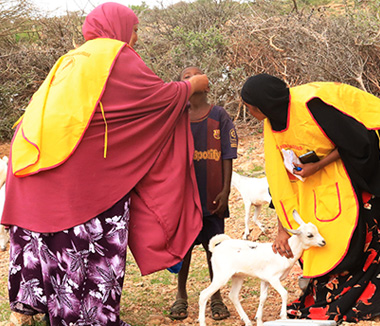
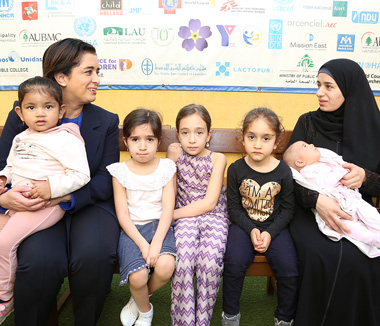
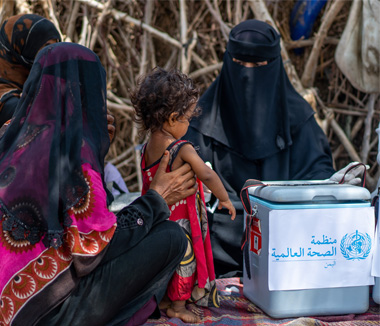
Community-based initiatives (CBI) adopt a holistic approach to health
paying equal significance to the physical, mental, social and spiritual well-being
of individuals. CBI programmes represent integrated bottom-up socioeconomic development models
that rely on full community ownership and intersectoral
collaboration. The WHO Regional Office for the Eastern Mediterranean has been advocating
poverty reduction as a strategy to facilitate equitable health
development through the initiatives, that include the basic development
needs (BDN) programme, the healthy city (HCP) programme,
the healthy villages (HVP) programme and the gender in health and development (GHD)
programme.

The
common goal of these research and development initiatives is to
create development policies and directions that are supportive to
health, community empowerment, local governance to ensure health
equity and quality of life.
The fundamental principal of these approaches are based on placing
health at the core of the development process. These approaches aim
to find ways to address the disparities found in the health care
system and create equitable solutions for health care delivery.
The CBI programme aims at assisting and strengthening the community
organization and mobilization to meet their basic socioeconomic
needs. The concept behind CBI is the intrinsic relationship between
poverty and public health. CBI improves access to basic needs such
as nutrition, safe water, sanitation, shelter, access to preventive
and curative health services.
|
|